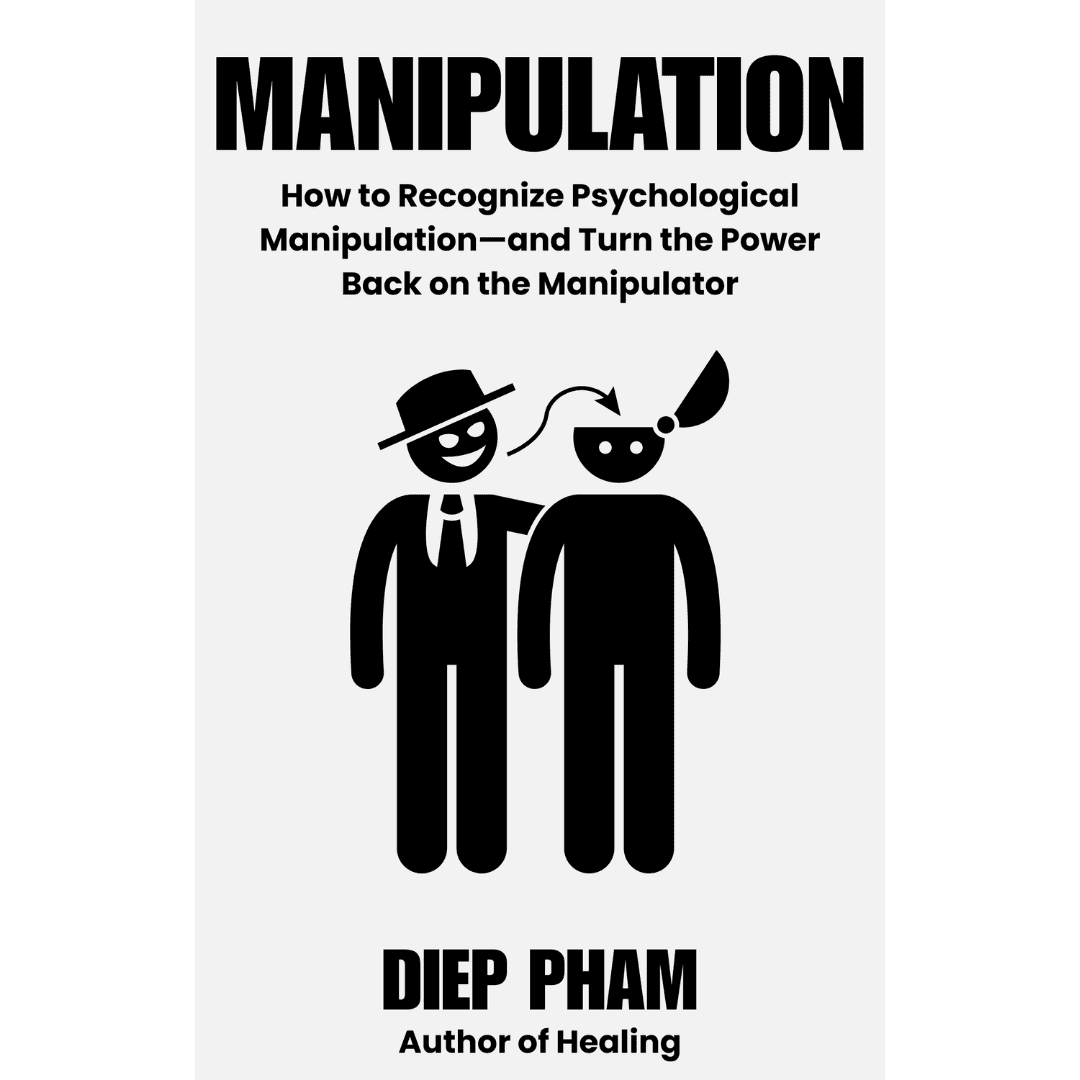
Description
Introduction: The Game You Didn’t Know You Were Playing
• Most people don’t realize they are being manipulated—until they are already emotionally invested.
• Manipulation is not always aggressive or obvious; it often wears the mask of care, silence, confusion, or “good intentions.”
• This book is not about becoming cruel or toxic.
• It is about seeing clearly, thinking strategically, and reclaiming your agency.
Part I: Understanding Manipulation
Chapter 1: What Manipulation Really Is
• Define manipulation in psychological terms.
• The difference between influence, persuasion, and manipulation.
• Why manipulation works best on intelligent, empathetic, and emotionally aware people.
Chapter 2: Why Smart People Get Manipulated
• Emotional intelligence without boundaries is exploitable.
• The role of empathy, hope, and projection.
• Why manipulators target people who are kind, reflective, and self-aware.
Chapter 3: The Manipulator’s Mind
• Core traits of manipulators: control-seeking, insecurity, avoidance of accountability.
• Conscious vs unconscious manipulators.
• Manipulation as a survival strategy, not always malice.
Part II: Types of Manipulation
Chapter 4: Emotional Manipulation
• Guilt-tripping, silent treatment, emotional withdrawal.
• Making you feel “too much,” “too sensitive,” or “needy.”
• How emotional inconsistency creates addiction.
Chapter 5: Cognitive Manipulation
• Gaslighting: making you doubt your perception.
• Selective memory and rewriting events.
• Framing confusion as “misunderstanding.”
Chapter 6: Passive Control & Soft Manipulation
• The illusion of freedom while controlling outcomes.
• “I never told you to do that” tactics.
• Letting you decide—but only between options they approve.
Chapter 7: Spiritual & Moral Manipulation
• Using morality, destiny, religion, or “higher purpose” to control behavior.
• Making resistance feel like selfishness or lack of faith.
Chapter 8: Romantic Manipulation
• Breadcrumbing, future faking, emotional ambiguity.
• Withholding labels, clarity, or commitment to maintain leverage.
• Why uncertainty is a powerful control tool.
Part III: How to Recognize You’re Being Manipulated
Chapter 9: The Internal Red Flags
• Chronic confusion instead of clarity.
• Emotional exhaustion without resolution.
• Over-explaining yourself repeatedly.
Chapter 10: Behavioral Red Flags
• Inconsistency between words and actions.
• Avoidance of direct answers.
• Shifting responsibility back to you.
Chapter 11: The Power Imbalance Test
• Who benefits most from the ambiguity?
• Who controls the pace, the silence, the definition?
• Why imbalance—not intent—is the key indicator.
Part IV: How to Break Free
Chapter 12: Stop Reacting, Start Observing
• Emotional distance as a strategic advantage.
• The importance of silence, timing, and restraint.
• Turning emotions into data.
Chapter 13: Reclaiming Internal Authority
• Stop seeking validation from the manipulator.
• Detaching your self-worth from their reactions.
• Rebuilding emotional autonomy.
Part V: How to Manipulate the Manipulator (Ethically & Strategically)
This section is not about cruelty. It’s about balance of power.
Chapter 14: Reverse the Frame
• How to stop explaining and start letting them reveal themselves.
• Asking questions instead of giving answers.
• Letting silence work in your favor.
Chapter 15: Controlled Withdrawal
• Strategic disengagement without drama.
• Reducing emotional supply.
• Why withdrawal often triggers exposure of the manipulator’s true intentions.
Chapter 16: Strategic Clarity
• Forcing clarity without demanding it.
• Setting boundaries that require action, not promises.
• Making ambiguity uncomfortable—for them.
Chapter 17: When to Walk Away Completely
• Recognizing when reversal is no longer worth it.
• Power is not control—it’s choice.
• Ending the game by refusing to play.
Conclusion: Power Is Awareness
• Manipulation thrives in confusion and emotional overexposure.
• Awareness restores choice.
• The most powerful person in any interaction is the one who does not need to control the outcome.
Appendix: Practical Tools
• Manipulation Detection Checklist
• Red Flag Mapping Worksheet
• Emotional Detachment Scripts
• Boundary Statements That Don’t Invite Debate
Only logged in customers who have purchased this product may leave a review.



Reviews
There are no reviews yet.