
If you’re reading this, there’s a good chance you’ve heard the term ADHD thrown around, maybe by a doctor, a friend, or someone online. You might even wonder if it applies to you. Perhaps you’ve always felt a little different from other people—struggling to focus at work, constantly losing your keys, or feeling like your mind is jumping around like a grasshopper on a hot sidewalk. If that sounds familiar, you’re not alone. ADHD affects millions of American adults, and the good news is that understanding it can be the first step toward actually doing something about it.
Let me be clear about something right from the start: ADHD isn’t a character flaw. It’s not because you’re lazy, or undisciplined, or not trying hard enough. ADHD is a real neurological difference in how your brain is wired. Think of it this way—if someone has color blindness, we don’t tell them to “just see the colors better.” ADHD works similarly. Your brain processes information differently, and once you understand how, you can work with it instead of against it.
What Is ADHD
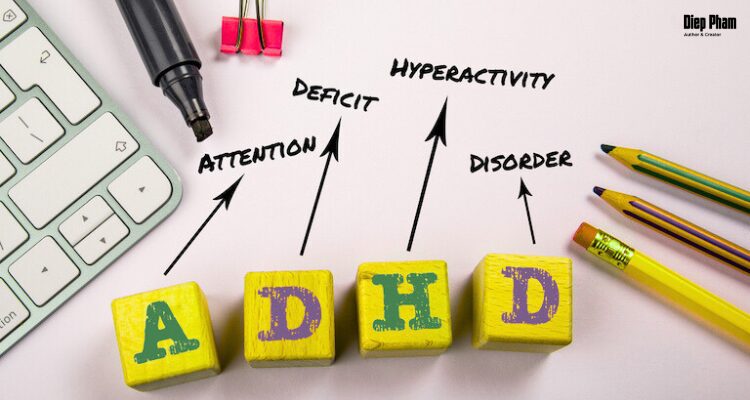
ADHD stands for Attention-Deficit/Hyperactivity Disorder. Now, that name can be confusing because not everyone with ADHD struggles equally with attention or hyperactivity. Some people with ADHD are constantly moving and talking (hyperactive type), while others sit quietly but their minds are racing a thousand miles a minute (inattentive type). Many fall somewhere in between, which is called combined type.
Think about your brain like a filter at a coffee machine. Most people’s brains filter out background noise automatically. When you’re at a coffee shop trying to talk to a friend, your brain filters out all the other conversations, the clinking of cups, and music playing. Your brain decides what’s important right now and what’s background noise.
For people with ADHD, that filter isn’t working quite right. It’s like someone removed the filter entirely. So when you’re trying to focus on one thing, everything is coming through with equal volume and importance. The buzzing of the refrigerator is as loud as your boss’s instructions. The notification on your phone is as important as the conversation you’re having. This isn’t because you’re not trying hard enough—your brain literally cannot properly filter what matters and what doesn’t.
How ADHD Shows Up in Daily Life
The real question is: what does this actually look like when you’re living your life?
Many adults with ADHD describe a constant sense of overwhelm. You might start getting ready in the morning, intending to be at work in thirty minutes. But then you notice your shelf is dusty, so you grab a cloth to clean it. While cleaning, you find an old photo and spend ten minutes looking through memories. Then you remember you need to make your coffee, but you can’t find the mug you like, and suddenly you’ve been awake for two hours and you’re just now starting to shower. This isn’t procrastination in the traditional sense—it’s your brain jumping from stimulus to stimulus without a clear internal priority system.
Work can be similarly challenging. You sit down to write an important email, fully intending to finish it in twenty minutes. But then you get distracted by a news headline, you check your messages, you remember you need to look something up for the email, and suddenly you’re reading articles about something completely unrelated. When you finally finish the email an hour later, you’re frustrated with yourself, wondering why it took so long when the task wasn’t even that difficult.
Many adults with ADHD also struggle with what we might call “time blindness.” Time doesn’t feel real to you in the same way it does to other people. You’ll sit down to work and suddenly realize three hours have passed—or you’ve been sitting for what feels like fifteen minutes and it’s actually been fifty-five minutes. This makes it incredibly hard to estimate how long tasks will take. You’re always running late, not because you don’t care, but because your internal clock doesn’t work like everyone else’s.
Then there’s the emotional piece. Many adults with ADHD experience something called “emotional dysregulation.” This means you feel things intensely. When you’re happy, you’re really happy. When you’re frustrated, you’re incredibly frustrated. When you’re upset, it can feel overwhelming. This isn’t about being dramatic or needing to “toughen up.” This is about how your brain processes and experiences emotions.
The Hyperactivity Part (Even If You Sit Still)
Here’s where a lot of people get confused about ADHD. You might hear someone say, “But you sit still all the time, so you can’t have ADHD.” This misunderstanding happens because people think hyperactivity always looks like a kid bouncing off the walls. But hyperactivity in adults often looks completely different.
In adults, hyperactivity might show up as restlessness. You might need to move—bouncing your leg while working, pacing while talking on the phone, or fidgeting with something in your hands. Some adults describe it as feeling like there’s electricity running through their body that needs somewhere to go. You might drive excessively fast, switch between activities constantly, or talk a lot because your brain needs stimulation.
But here’s the thing: some adults with ADHD appear completely calm on the outside. Their hyperactivity is internal—it’s their thoughts racing, their mind jumping from subject to subject, their inability to sit with quiet or slow activities. They might avoid meditation, reading, or long meetings because those quiet activities feel torture to their brain, which needs more stimulation to feel normal.
Why ADHD Affects Adults Differently Than Kids
ADHD is often caught in childhood because the differences are more obvious. A kid with ADHD might struggle in school, have trouble with homework, or get in trouble for talking too much in class. But many adults never get diagnosed, especially if they were decent students or learned to compensate.
As you become an adult, the demands on your brain change. In school, if you could coast on being smart or sometimes lucky, you might have gotten by. But adult life requires sustained attention, organization, planning, and following through on long-term projects. Your job might require you to manage multiple projects, your home requires maintenance and organization, and your relationships require consistent attention and emotional regulation.
This is when a lot of adults start really struggling. You might have functioned okay in your twenties, but by your thirties or forties, you’re exhausted. Everything that works for other people doesn’t work for you, and you’ve spent years wondering why you can’t just “get it together” like everyone else seems to.
The Different Presentations of ADHD
Not all ADHD looks the same, and this is important to understand because you might have ADHD even if you don’t fit the stereotypical image.
Predominantly Inattentive Type: People with this presentation struggle mainly with focus and attention. They lose things constantly. They start projects but don’t finish them. They daydream in meetings. Their homes might be chaotic because they can’t maintain organization. They struggle with time management and often describe feeling scatterbrained. You might hear them say, “I’m just not a detail person,” when actually their brain’s filtering system isn’t working properly.
Predominantly Hyperactive-Impulsive Type: These folks are more obviously active. They might struggle to sit still, talk a lot, interrupt people, drive too fast, or make quick decisions without thinking through consequences. They might change jobs or relationships frequently because they get bored easily. They often are the people who seem like they can’t turn off, who are always doing something, who get frustrated by slow situations.
Combined Type: Many adults have both inattention and hyperactivity, which can be exhausting. Your brain can’t focus, so it’s constantly seeking stimulation, but that stimulation-seeking makes it even harder to focus.
Why Getting Diagnosed Matters
You might be thinking: “I’ve lived this long without a diagnosis. Does it really matter?”
Yes, it actually does. Here’s why.
First, getting a diagnosis is validating. You’re not lazy. You’re not irresponsible. You’re not broken. You have ADHD, which is a neurological condition that can be managed. That shift in understanding alone can be life-changing.
Second, understanding your ADHD helps you stop blaming yourself and start problem-solving. Instead of thinking, “Why can’t I just focus like a normal person?” you think, “How can I structure my environment and my work to account for how my brain actually works?”
Third, if you want to pursue treatment—whether medication, therapy, or lifestyle changes—you need an official diagnosis. Insurance often requires it, and you need to know what you’re treating.
Finally, understanding your ADHD helps you build systems and routines that actually work for you instead of constantly fighting against yourself.
Getting a Professional Diagnosis
If you think you might have ADHD, the first step is talking to a healthcare professional. This might be your primary care doctor, a psychiatrist, a psychologist, or a nurse practitioner who specializes in ADHD. Different regions have different specialists, so you might need to ask your regular doctor for a referral.
The diagnostic process usually involves a detailed interview about your childhood, your current symptoms, your work and relationship history, and how you function day-to-day. Your doctor might ask you questions like: How long have you felt this way? Do these struggles show up in multiple areas of your life? Have you experienced them since childhood? What specifically happens that frustrates you?
They might also give you standardized questionnaires or tests to assess your symptoms. Some providers use continuous performance tests, which measure how well you can maintain attention. Others use rating scales where you rate how much you agree with statements about your behavior.
It’s important to know that ADHD often co-occurs with other conditions like anxiety, depression, or sleep disorders. Your doctor should assess for these too, because treating ADHD alone might not address everything you’re experiencing. Sometimes what feels like ADHD symptoms are actually symptoms of anxiety or sleep deprivation, which is why a thorough evaluation is important.
Treatment Options for Adult ADHD
Once you have a diagnosis, you have several options for treatment. Often, the most effective approach combines multiple strategies.
Medication: For many adults, medication is a game-changer. The most common ADHD medications are stimulants like methylphenidate (Ritalin) or amphetamine-based medications (Adderall). There are also non-stimulant options like atomoxetine or guanfacine. These medications work by affecting neurotransmitters in your brain—basically, they help your brain’s filtering system work better.
When you take the right medication at the right dose, the effect can be dramatic. One patient described it as, “It’s like someone put glasses on my mind. Suddenly everything is clear.” Colors might seem more vivid. You can follow conversations better. You can focus on what matters and filter out distractions. You can estimate time more accurately.
But medication doesn’t work for everyone, and finding the right one takes time. Some people need to try several medications before finding the right fit. Some people experience side effects. It’s a process that requires patience and communication with your doctor.
Therapy and Coaching: Cognitive behavioral therapy (CBT) and ADHD coaching can be incredibly helpful. A therapist or coach can help you develop systems and strategies tailored to your specific challenges. If you struggle with organization, they can help you build organizational systems. If you struggle with time management, they can help you develop strategies that work with your brain instead of against it.
Lifestyle Changes: Simple changes can make a huge difference. Regular exercise has been shown to reduce ADHD symptoms. A consistent sleep schedule is crucial because ADHD symptoms are worse when you’re tired. Some people find that eliminating or reducing caffeine helps. Others find that managing their environment—reducing visual clutter, using timers, removing distractions—makes a significant difference.
Building Systems That Work for You
This is where real change happens. Once you understand how your brain works, you can build your life around that understanding instead of constantly fighting it.
Task Management: If you struggle with remembering tasks, you need external systems. This might be a to-do app, a physical planner, or a combination. The key is that these tools need to be systems you’ll actually use, not elaborate systems you’ll abandon in two weeks.
Many adults with ADHD find that they need to lower the barrier to getting things in their system. One person might keep a voice memo app open on their phone because talking is easier than typing. Another might have a physical notepad in every room of their house so they can jot things down as they think of them. The system that works is the one you’ll use.
Time Management: Because time blindness is real, using external time markers helps tremendously. This might mean setting phone alarms or reminders, using a visual timer so you can actually see time passing, or blocking out your calendar into specific time blocks. Some people find that time-boxing—saying “I will work on this specific task for exactly thirty minutes”—helps them know when to stop.
Environmental Modification: Your environment matters more than you might think. If you have a high-distraction environment, you’re fighting your ADHD constantly. Some practical changes: use apps that block social media during work hours, keep your workspace clear of visual clutter, wear noise-canceling headphones, work in different locations if possible (sometimes a change of scenery helps with focus).
Routine Building: Because your internal system for managing time and priorities doesn’t work smoothly, external routines become crucial. The goal is to automate decisions so your brain has fewer choices to make. This might mean: you always eat the same breakfast, you always exercise at the same time, you always start work the same way.
Managing ADHD in the Workplace
Work is often where adult ADHD becomes most apparent and most problematic. You might struggle to meet deadlines, stay organized, attend meetings that require sustained attention, or manage multiple projects simultaneously.
First, know your rights. In the United States, ADHD is recognized as a disability under the Americans with Disabilities Act (ADA). This means you can request reasonable accommodations from your employer. This might include flexible work hours, the ability to work from home part-time, permission to use fidget tools, more frequent breaks, or written instructions in addition to verbal instructions.
Second, understand which accommodations would actually help you. For someone who struggles with focus, working from home might reduce distractions. For someone who struggles with time management, breaking large projects into smaller milestones with interim deadlines helps. For someone with time blindness, frequent check-ins or visual reminders of deadlines helps.
Third, communicate clearly with your manager. You don’t have to disclose your ADHD diagnosis to everyone, but your direct manager needs to understand your needs. You might say something like: “I focus better with written instructions because I remember details better that way” or “I’m more productive if I can take a short walk break every couple hours.”
Relationships and ADHD
ADHD doesn’t just affect your career and organization—it affects your relationships too.
Partners of adults with undiagnosed or unmanaged ADHD often feel frustrated and unsupported. They might feel like they’re nagging when they’re trying to keep things organized. They might feel hurt when their partner forgets important dates or doesn’t follow through on promises. Meanwhile, the person with ADHD feels criticized and misunderstood.
When ADHD is properly understood and managed, relationships often improve dramatically. The partner stops blaming character flaws and starts understanding neurological differences. The person with ADHD stops blaming themselves and starts problem-solving with their partner.
This might mean: your partner learns that you need reminders for important dates not because you don’t care, but because time blindness is real, so they help you set phone alarms. You understand that when your partner asks you to follow through on something, it matters to them, so you build systems to remember. You both recognize that your brain works differently and figure out how to work together despite that.
The Emotional Side of Adult ADHD
We don’t talk about this enough, but the emotional impact of adult ADHD is significant.
Many adults with undiagnosed ADHD have spent decades thinking there’s something fundamentally wrong with them. They tried hard, they failed, they blamed themselves. This builds up. By the time they get diagnosed, many adults experience depression, anxiety, or both.
Additionally, the constant struggle of having ADHD—the daily battles with your own brain—is exhausting. You’re expending energy just on basic tasks that other people do automatically. This energy expenditure can lead to burnout, particularly if you’re also masking, which is common, especially among women.
Masking means you’re hiding your ADHD symptoms because you feel like you should be able to just function normally like everyone else. So you spend extra energy organizing yourself, fighting the distractions, managing your behavior. It works for a while, but it’s exhausting, and it usually leads to burnout.
Getting a diagnosis and getting proper treatment often reduces depression and anxiety because you’re no longer blaming yourself for your neurological differences, and you’re no longer spending all your energy masking.
Your ADHD Action Plan
So where do you start? If you think you might have ADHD, here are practical next steps.
Schedule an appointment with a healthcare provider who can do a comprehensive evaluation. If your regular doctor isn’t experienced with adult ADHD, ask for a referral to a psychiatrist or psychologist who specializes in ADHD.
Before your appointment, keep notes about your specific challenges. Write down things like: How often do you lose things? What specific situations make it hard to focus? How are your time management skills? When did these struggles start? Have you always been this way?
Be honest about your history. ADHD roots go back to childhood. Even if you didn’t struggle much in school, think about your childhood more carefully. Did you struggle with organization? Were you daydreaming? Did you struggle to sit still? Could you hyperfocus on things you were interested in but not on things you weren’t?
If you get a diagnosis, educate yourself further. Read books, follow reputable online resources, listen to podcasts. The more you understand ADHD, the better you can manage it.
Consider multiple treatment options. Medication helps some people tremendously. Others benefit most from therapy, coaching, and lifestyle changes. Many benefit from a combination. It’s not one-size-fits-all.
Find your people. Whether it’s an online community, an in-person support group, or friends who also have ADHD, connecting with others who understand what you’re going through is invaluable. You’ll feel less alone, and you’ll get practical tips from people who’ve already solved problems you’re facing.
The Final Truth About ADHD
Here’s what’s most important to understand: ADHD isn’t something that happened to you because of something you did wrong, and it’s not something you need to be ashamed of. Your brain is wired differently. That different wiring comes with real challenges—we’re not pretending it doesn’t. But it also often comes with gifts. Many people with ADHD are creative, energetic, passionate, and able to hyperfocus intensely on things they care about.
The goal isn’t to make your brain work like neurotypical brains. It’s to understand your brain and work with it, to build a life that accommodates how you actually function rather than constantly trying to force yourself into a system that doesn’t work for you.
Getting a diagnosis as an adult might feel like you’re late to the game, but it’s actually an advantage in some ways. You have decades of life experience. You know yourself. You know what hasn’t worked. Now you have an explanation, and more importantly, you have options.
Your ADHD is real. Your struggles are real. But so is your ability to understand yourself better and build systems that actually work for you. That’s where the real power is.
Thanks alot for reading, don’t forget to check out my collection of beautifully hand-crafted motivational quotes on Instagram to brighten your day HERE!
- Related Content: 15 Best Time-Management Books for Beating Procrastination
